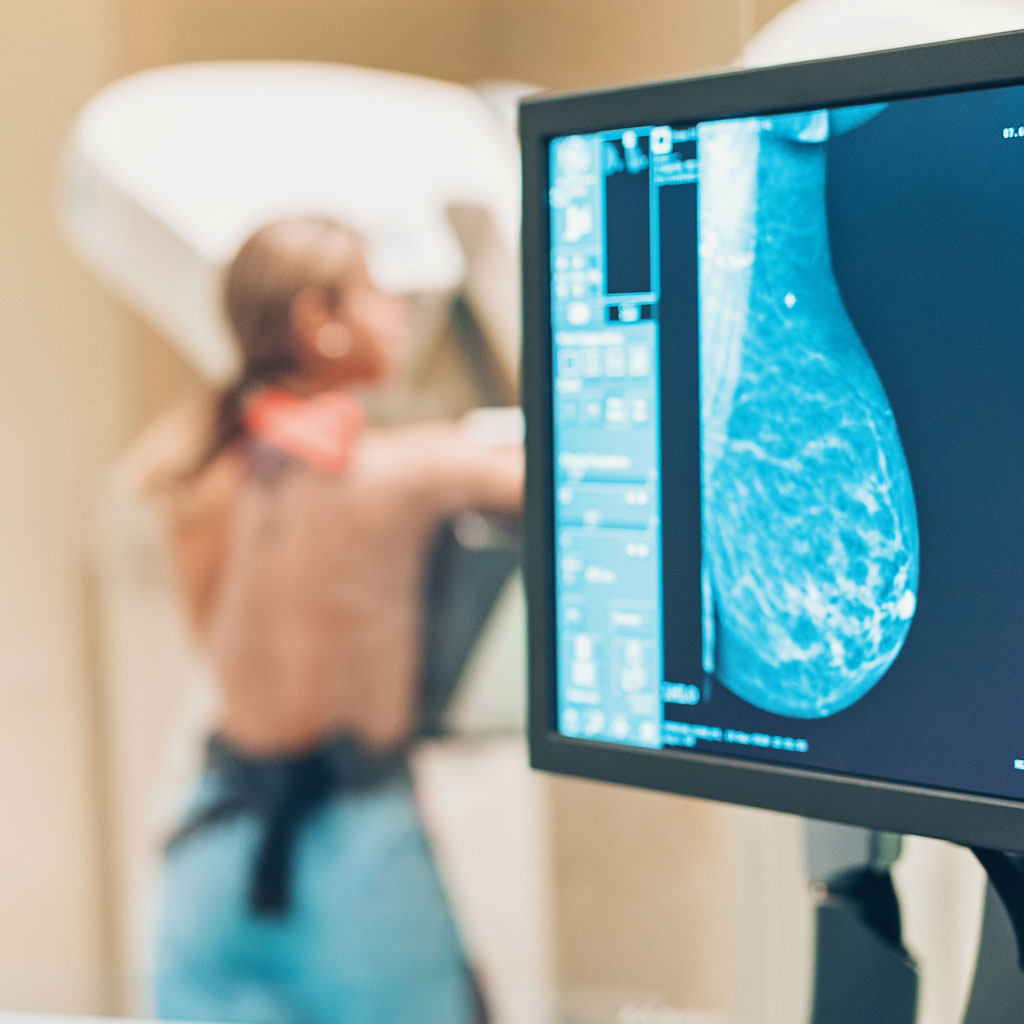
Since September 10, 2024, every mammogram result letter in the United States has included a sentence informing the patient about their breast density. The language is set by federal regulation and it is the same everywhere, which means a great many women have now read that sentence, wondered what to do about it, and put the letter down.
October is a reasonable month to answer the question.
Where the Requirement Came From
The Food and Drug Administration issued a final rule on March 10, 2023 amending the regulations under the Mammography Quality Standards Act, and enforcement began on September 10, 2024. Before that, breast density notification was governed by a patchwork of state laws that varied in whether they required notice at all and in what the notice had to say.
The rule did several things. It requires the mammography report sent to your physician to include an overall assessment of breast density in one of four defined categories, it requires the patient letter to include specific federal language about what breast density means, and it sets deadlines for how quickly results must reach you when a mammogram is read as suspicious or highly suggestive of malignancy.
The Four Categories
Your report to your doctor places your breast density in one of four categories. Almost entirely fatty. Scattered areas of fibroglandular density. Heterogeneously dense, which may obscure small masses. Extremely dense, which lowers the sensitivity of mammography.
The first two are considered not dense. The second two are considered dense. Roughly speaking, dense tissue means there is more fibrous and glandular tissue relative to fat, and that is a normal anatomic variation rather than a disease or an abnormality.
Why Density Matters Twice
The federal notification language spells out two separate issues, and they are easy to blur together.
The first is a detection problem. Dense tissue appears white on a mammogram, and so do most tumors. A cancer sitting in fatty tissue stands out. The same cancer sitting in dense tissue can be considerably harder to see, which is a limitation of the physics rather than a limitation of the radiologist.
The second is a risk issue. Having dense breast tissue is itself associated with a higher risk of developing breast cancer, independent of the detection problem.
The letter you receive says both. If your tissue is dense, the federal language tells you that dense tissue makes cancer harder to find on a mammogram and also raises the risk of developing it, that your tissue is dense, that in some people with dense tissue other imaging tests in addition to a mammogram may help find cancers, and that you should talk with your healthcare provider about density, your risk, and your individual situation.
What “Other Imaging Tests” Means
That phrase is where most of the practical questions land, and the honest answer is that supplemental screening is a judgment call rather than an automatic next step.
Breast ultrasound is the most commonly used supplement. It uses no radiation, it can be done at the same visit in many cases, and it detects some cancers that a mammogram misses in dense tissue. It also produces more findings that turn out to be benign, which means more follow-up imaging for some women.
Breast MRI is the most sensitive test available and is generally reserved for women at genuinely elevated risk, meaning a strong family history, a known genetic mutation, prior chest radiation, or a calculated lifetime risk above a defined threshold. It is not a routine supplement for breast density alone.
3D mammography, also called tomosynthesis, is not a supplement so much as a better version of the base test. It takes images in thin slices rather than compressing the breast into a single flat projection, which helps specifically with the overlapping tissue problem that breast density creates.
Which of these makes sense depends on your breast density category, your other risk factors, and what your insurance covers, and that last point varies enough that it is worth asking directly.
What Not to Take From the Letter
A density notification is not a finding. It does not mean something was seen, it does not mean your mammogram was abnormal, and it does not mean you have or are likely to develop cancer. Roughly half of women have dense tissue, and density decreases with age for many women, so the category on your letter can change over time.
It also does not mean your mammogram was not worth having. Mammography remains the only screening test shown to reduce breast cancer mortality in the general population. Density is a reason to have a more specific conversation, not a reason to lose confidence in the test.
The Actual Next Step
Bring the letter to your next appointment, or call and ask. The question to put to your physician is whether your density category, combined with everything else in your history, adds up to a case for supplemental screening in your situation.
That is the conversation the federal rule was written to prompt. The letter exists so you can start it.
References
U.S. Food and Drug Administration. Important Information, Final Rule to Amend the Mammography Quality Standards Act (MQSA). Content current as of September 10, 2024. fda.gov
Federal Register. Mammography Quality Standards Act, final rule published March 10, 2023. federalregister.gov
American College of Radiology. Breast Imaging Reporting and Data System (BI-RADS). acr.org